
Chemistry · High school · UK

UK Chemistry Olympiad

UKChO rewards a different skill set from U.S. contests: instead of testing recall, it drops students into an unfamiliar research scenario and asks them to transfer A Level/AP-level principles into it. For Irvine students targeting selective U.S. STEM programs or the UK's G5, it is an efficient addition — low friction to enter (sat at school, two hours), a generous certificate rate of roughly two-thirds, yet a gold that still discriminates meaningfully, and it evidences exactly the literature-reading and reasoning skills that read well in essays and in a chemistry-focused activity list. One caveat: overseas entrants can only sit Round 1 and cannot progress to UK team selection, so treat it as an academic credential rather than a route to a national team.

UK Chemistry Olympiad
2026-27Latest season

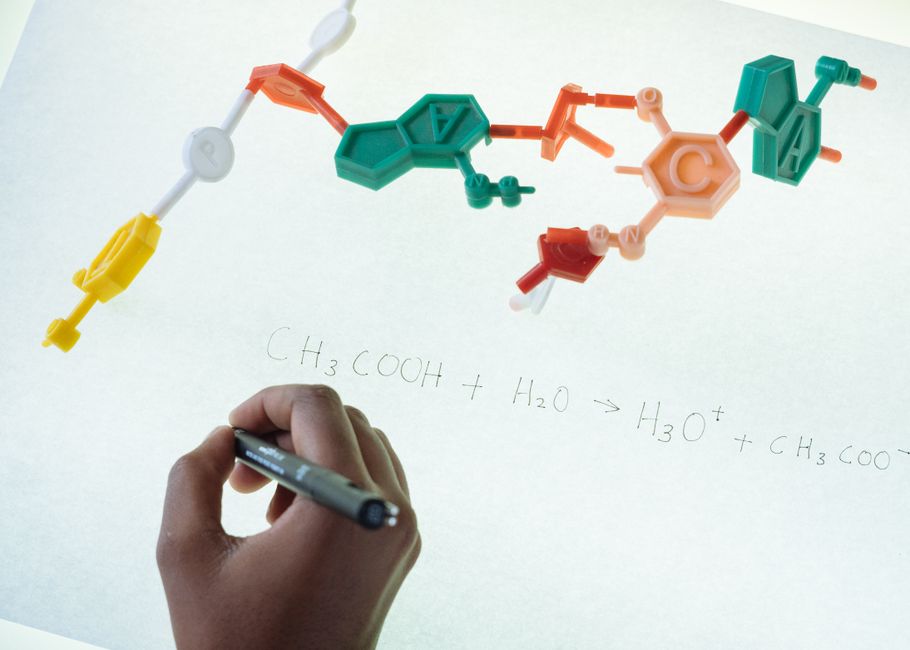
Photo: RF._.studio _ / Pexels

  1. Registration opensSep 162026
  2. Registration deadlineJan 112027
  3. Contest datesJan 212027
  4. ResultsTBA

Verified from the official site on September 20, 2026 · edu.rsc.org/enrichment/uk-chemistry-olympiad

Organizer
Royal Society of Chemistry (RSC)
Eligibility
Open to secondary schools and colleges across the British Isles. The RSC advises entrants be at least 16; the paper suits Year 12-13 students, and GCSE-level students will find it hard. Entry is by school, and the supervising teacher needs an active RSC Teach Chemistry membership. Overseas schools can take part in Round 1: schools in mainland China, Hong Kong, India, Indonesia, Japan, Kazakhstan, Malaysia, Mongolia, Myanmar, Pakistan, the Philippines, Republic of Korea, Saudi Arabia, Singapore, Thailand, the UAE and Vietnam register via the RSC's designated partner ASEEDER China; British international schools elsewhere that teach in English following iGCSE/A Level or the IB may apply directly to the RSC for a fee. Only UK-based students progress to Round 2 and UK team selection.
Format
Round 1 is a two-hour written paper sat in the student's own school, invigilated and marked by the school's teacher against the RSC mark scheme, with scores returned to the RSC. Questions wrap A Level chemistry into long, unfamiliar real-world and research contexts, testing reading, modelling and reasoning rather than recall. The RSC then invites roughly 30 of the highest UK scorers to Round 2, normally over the Easter break at a UK university chemistry department, combining lab training and a practical test, advanced-topic lectures and a theory exam; the four students selected for the UK team are announced on the final day. Team members attend in-person training in May and again in late June/early July, supported by online sessions, before competing at the International Chemistry Olympiad.
Contest dates
January 21, 2027
Fees
Free for schools in the British Isles. Schools in the listed Asian countries and regions, including mainland China, Hong Kong and Singapore, register through ASEEDER China, which states the cost for that channel; British international schools elsewhere apply to the RSC and pay a fee whose amount is not published on the official site and must be requested by email.
Awards
About two-thirds of entrants receive a gold, silver or bronze certificate, with thresholds set each year by the RSC according to paper difficulty and national performance; PDF certificates go to teachers around April. Around 30 top UK scorers are invited to Round 2, and four are selected for the UK team competing for medals at the International Chemistry Olympiad.

About the competition

The UK Chemistry Olympiad, run by the Royal Society of Chemistry, is Britain’s largest school chemistry competition, drawing well over ten thousand UK entrants a year while also opening Round 1 to qualifying overseas schools. Its defining feature is the question style: almost nothing is pure recall.

Each problem builds a long, unfamiliar context — drug synthesis, materials, environmental or energy chemistry, food science — then walks candidates through derivations, calculations and explanations using A Level principles they already hold. It measures thinking with chemistry rather than memorised conclusions, which often unsettles students trained mainly on drilled question banks.

Round 1 is a two-hour paper sat in the student’s own school, invigilated and marked there against the RSC mark scheme; for the 2027 season it falls on Thursday 21 January 2027, with school registration open from 16 September 2026 to 11 January 2027. About two-thirds of entrants earn a gold, silver or bronze certificate, with thresholds reset annually — bronze is accessible, gold genuinely selective.

Roughly 30 of the highest UK scorers go to Round 2 over Easter at a university chemistry department for practical training and testing, advanced lectures and a theory exam, from which four are chosen for the UK team. They train in May and again in late June before competing at the International Chemistry Olympiad.

Entry is free in the British Isles; overseas schools pay via ASEEDER China or directly to the RSC, and overseas entrants sit Round 1 only.


How to prepare

  • Treat past Round 1 papers as the core textbook: the RSC publishes years of papers with worked answers, so work through full sets untimed at first, drilling the read-the-context, extract-the-constraints, derive-step-by-step routine rather than just checking answers.
  • Shore up organic mechanism and structure elucidation: many long questions hang on a synthetic route or a natural product, and being able to draw intermediates and track functional-group changes often decides gold versus silver.
  • Practise UK-style presentation: units, significant figures, state symbols and mechanism arrows all carry marks, so compare your working line by line against the official mark schemes until full derivations become habit.
  • Confirm entry with your chemistry teacher early: UKChO is registered by the school and the supervising teacher needs an active RSC Teach Chemistry membership — individuals cannot enter, and registration closes 11 January.

Frequently Asked Questions

Can students at Irvine public high schools enter UKChO?

Usually not. The RSC currently opens Round 1 to overseas schools through only two routes: schools in listed Asian territories such as mainland China, Hong Kong and Singapore register via ASEEDER China, and British international schools teaching iGCSE, A Level or the IB may apply directly to the RSC for a fee. A typical American public high school fits neither route, so the school would need to email the RSC directly to check for any other option.

How does a school register for UKChO Round 1 — can a student sign up alone?

Individual student registration is not allowed; the school must enter as a whole, and the teacher doing it needs a valid RSC Teach Chemistry membership and signs in with that account. Student names are not required at registration, only when scores are submitted afterwards. The RSC also states that online schools cannot take part — students must sit the paper in person under teacher supervision.

What UKChO 2027 dates should an Irvine student track while preparing?

The RSC sets the key dates: school registration runs from 16 September 2026 to 11 January 2027 with no late entries accepted, the Round 1 paper falls on 21 January 2027, and PDF certificates normally reach teachers around April. Round 2 is held over the Easter break, with exact dates announced separately. An Irvine student does best lining these dates up with the pace of their own school chemistry class well before the January deadline.

Is AP Chemistry enough on its own to take UKChO?

AP Chemistry covers most of the ground. UKChO assumes A Level chemistry, and the RSC recommends entrants be at least 16 and at Year 12-13 level. AP Chemistry courses offered at Irvine public high schools build the calculation and conceptual base, but the real gaps are usually organic reaction mechanisms, structure elucidation, and the pacing and presentation conventions of long British-style questions, which need separate practice.

What format is UKChO Round 1 and how long does it last?

Round 1 is a two-hour written paper sat at the student's own school under normal exam conditions and supervised by school staff. Afterwards the teacher marks it against the RSC mark scheme and submits the scores. Questions wrap A Level content in long real-world research and everyday contexts, testing reading, modelling and step-by-step reasoning rather than recall. Extra time is available for students who qualify for it.

What level does an Irvine student need to reach for a UKChO gold?

There is no fixed mark. The RSC resets the gold, silver and bronze boundaries every year based on that paper's difficulty and the national cohort's performance, publishing them with the results. Roughly two-thirds of entrants earn one of the three certificates, bronze is relatively accessible, and gold stays genuinely selective, requiring solid reasoning and write-up practice to reach consistently.

Does a UKChO certificate help with US college applications?

Overseas entrants, Irvine students included, sit Round 1 only and cannot progress to Round 2 or UK team selection, so it works better as an academic credential than as a competition pathway. A gold or silver certificate shows a student can read an unfamiliar research scenario and reason through it, which reads well in essays or on a chemistry-focused activity list.

If an Irvine school can register for UKChO, what does it cost?

Schools in the British Isles take part free of charge. Overseas schools pay: those in the listed Asian territories such as mainland China, Hong Kong and Singapore register through ASEEDER China, which sets the cost, while eligible British international schools elsewhere apply to the RSC for a fee that is not published online and must be requested by email. Either way the fee is handled and paid by the school, not by individual families.

Train for it with EDUBUS1-on-1 Tutoring: AP, ISEE & All SubjectsOn-demand private tutoring covering twenty-plus AP subjects and full ISEE prep with an online system, popular with Irvine families for K-12 GPA support.Learn More →

Preparing for UKChO? Start with a 30-minute call

Share the grade and the goal. An Irvine-based course advisor reaches out within one business day with a first, actionable course and study plan. Direction first, courses later.

  • EDUBUS WeChat QR code, WeChat ID EDUBUSer
    Scan to reach a course advisor on WeChatHotline: (949) 383-4877WeChatEDUBUSerCopy the ID and add a course advisor in WeChat

We reply within one business day. Your details are used only for this consultation. By submitting you confirm you have read our privacy policy.