
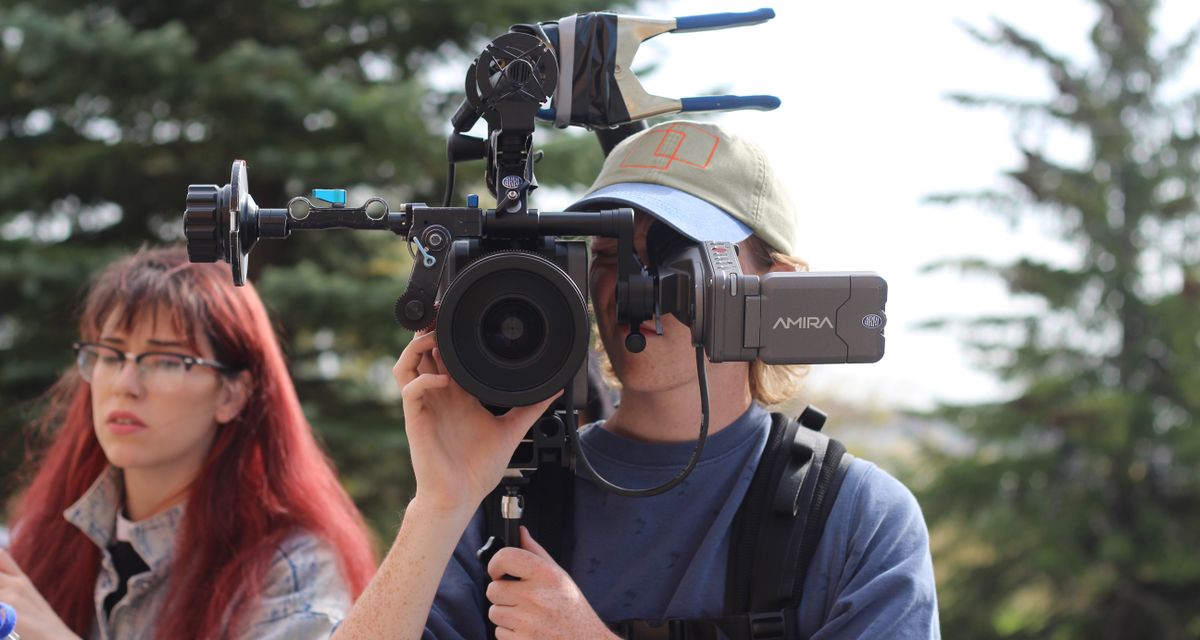
Composition, camera movement, lighting, sound, and editing toward a finished short. For the youth photography lab, see Photography.
How workshops run
Workshops enroll in rolling short terms: one seat lets a child rotate through 3 to 4 domains in a year, 7 to 8 weeks each, with a finished piece every session.
Want to talk to a course advisor now?
Contact a course advisorFrequently Asked Questions
Do Irvine students need photography experience first?
It starts from still photography and extends into visual storytelling, so no filmmaking background is assumed. The class meets in person in Irvine, with an online section running in parallel. Composition and camera movement come first, then lighting, sound and editing are added, and the sequence runs deliberately from single images toward moving pictures.
What does an Irvine student finish with?
A finished short film. The short requires a student to combine camera movement, composition, lighting, sound and editing in one piece of work rather than completing each as a separate exercise, which makes it a fair test of whether the earlier stages were actually absorbed.
Photography Lab or Photography & Film 101?
It depends on whether the goal is photographs or films. Both meet in person in Irvine: the Youth Photography Lab treats photography as an art form in its own right and ends in images, while this course ends in a short film and includes sound and editing.
Which grades in Irvine is it for?
Grades 6 to 12, meaning middle and high school students. Since the course asks a student to hold lighting, sound and editing together across a single project and see it through to a finished cut, the entry point is set at middle school rather than earlier. The grade-by-grade guide gives a broader view of scheduling around schoolwork.
What if a student wants to work on the script first?
News & Screen Script Writing 101 covers three-act structure and dialogue, and is also open to grades 6 to 12. Taken together, one course handles what gets written and this one handles how it gets shot, in whichever order suits the student.