Speech & Debate · Elementary / Middle school / High school · INTL

World Scholar's CupWSC

WSC is not a pure debate tournament but a combined debate, writing and quiz platform, which makes it unusually friendly to students whose English delivery is still developing but whose curiosity and reading range are strong. For Irvine middle school families it is a low-barrier bridge from classroom English to public performance, with a clear multi-year arc from a regional round to a Global Round and potentially Yale.

World Scholar's Cup (WSC)
2026-27Latest season

Photo: Andy Barbour / Pexels

  1. Registration opensTBA
  2. Registration deadlineTBA
  3. Contest datesNov 12 – Nov 182026
  4. ResultsTBA

Verified from the official site on September 20, 2026 · www.scholarscup.org

Organizer
The World Scholar's Cup
Eligibility
Open from upper elementary through the final year of pre-university schooling, split into Junior (roughly age 13 and under) and Senior (14 and older) divisions; for the 2026 season, any student turning 14 by January 1, 2026 competes as a senior. Standard teams have three members, two-person teams are allowed with reduced scoring potential, and teams may mix students from different schools or countries, with individual registrants placed onto teams. Students attending the Tournament of Champions at Yale must be at least 11.
Format
Each season revolves around one interdisciplinary theme explored through history, social studies, science, technology, art and music, literature and a special subject area. Four events make up the competition: Team Debate (three-on-three on theme-related motions), Collaborative Writing (position essays on thematic prompts), the Scholar's Challenge (an individual multi-subject multiple-choice exam) and the Scholar's Bowl (a whole-team clicker-based quiz). The structure has three tiers: Regional Rounds held worldwide year-round, Global Rounds hosted across several countries from June to September, and the Tournament of Champions at Yale University each November.
Contest dates
November 12, 2026 · November 18, 2026
Fees
The organizers state that study materials are free and that Regional Rounds charge only a small registration fee covering the venue and catering; the amount differs by event and is given on each event's registration form. The Global Round and the Tournament of Champions at Yale University cost more and do not include airfare or lodging, so confirm the amounts on each event's page on the official site.
Awards
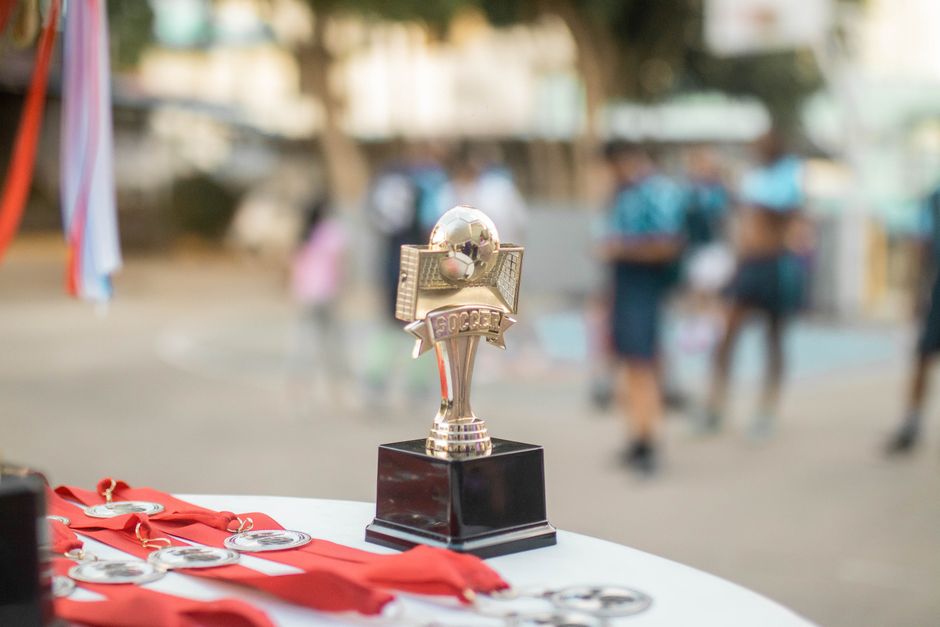
Medals are awarded across every event and subject area, so teams and individuals can earn recognition in debate, writing, the Challenge and the Bowl, alongside overall placement awards. Qualifying regional teams advance to a Global Round, and strong Global Round performances earn invitations to the Tournament of Champions at Yale. The unusually broad medal structure means most committed participants take something home.

About the competition

The World Scholar’s Cup is a global interdisciplinary team academic competition for school students that has run for over a decade and now draws tens of thousands of participants a year. Its design is distinctive: rather than testing debate alone, it bundles debate, writing, a subject exam and a team quiz under a single season theme, pushing students to read widely while also learning to speak and write under pressure.

The structure has three tiers. Regional Rounds run worldwide all year, with several in the United States - the 2026-27 calendar includes New York in February 2027, Houston in March 2027 and San Francisco in May 2027, keeping travel manageable for California families. Qualifying teams then choose a Global Round, hosted June through September in cities such as Kuala Lumpur, Prague, Seoul, Shanghai, Bangkok and Da Nang. The season ends with the Tournament of Champions at Yale University each November - November 12-18, 2026, hosted by the Yale International Relations Association, which adds faculty talks, campus programming and college-life sessions to the competition itself.

Teams are normally three students, with Junior and Senior divisions split around age 14. Study materials are free and regional round fees are deliberately small, making WSC one of the better-value international competitions to start with.

How to prepare

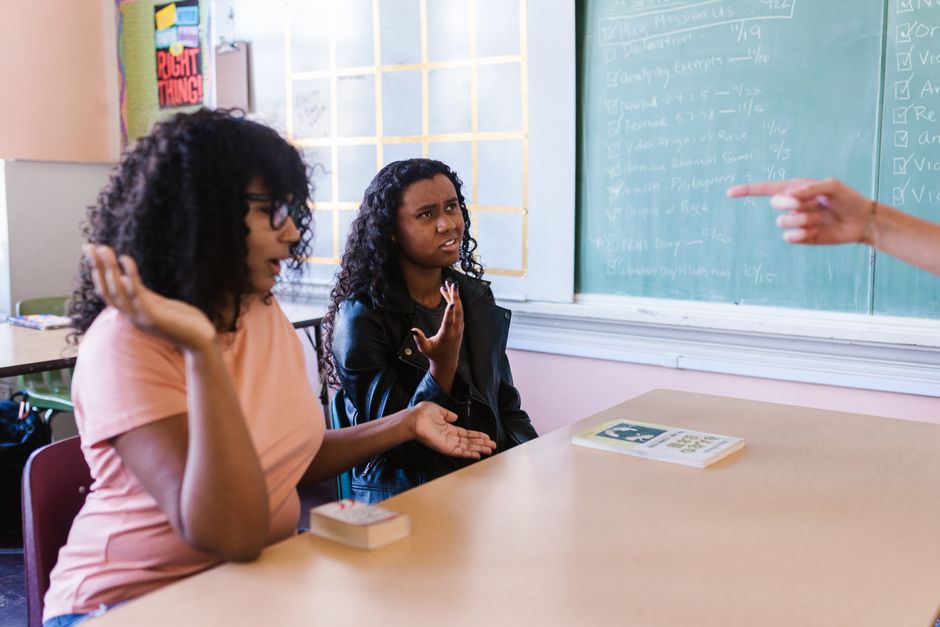
  • Split the official season outline three ways so each teammate owns one or two subjects, then teach it back to each other - being able to explain it is the real test of mastery and beats everyone studying everything.
  • In debate, structure and teamwork matter more than content: prepare three or four reusable argument frames (economic, ethical, feasibility, long-term impact) and fill them with the specific motion on the day.
  • Drill the Scholar's Bowl for speed and roles, designating one teammate as the final decision-maker so clicker hesitation does not cost points.
  • Treat the first regional round as practice and the Global Round as the goal: complete the full cycle in year one, then target weak spots - usually collaborative writing and the science portion of the Challenge - in year two.

Frequently Asked Questions

What events make up the World Scholar's Cup?

Four: Team Debate, in which teams of three argue assigned motions; Collaborative Writing, a position essay on a prompt from the curriculum; the Scholar's Challenge, an individual multiple-choice test across all subjects; and the Scholar's Bowl, a buzzer-based quiz the whole team answers together. All four draw on the season's interdisciplinary curriculum, which spans history, social studies, science, technology, art and music, literature and one special area.

How do the World Scholar's Cup rounds work?

Three levels. Regional Rounds run all year in cities worldwide; teams that qualify there earn a berth to a Global Round, held in several countries between June and September, and may choose which Global Round to attend. A strong enough result at a Global Round earns an invitation to the Tournament of Champions, held at Yale in November. Each level uses the same four events and the same season curriculum.

How do you get invited to the World Scholar's Cup Tournament of Champions at Yale?

You qualify at a Regional Round, then post a strong enough result at a Global Round to earn the invitation. The rules also require all three team members to have qualified at a Global Round in the same season, with at least two of them original teammates, and students attending the Yale event must be at least 11. Places are limited and the dates are fixed in November, so handle registration and travel booking together once the invitation arrives.

Can an Irvine student join the World Scholar's Cup without a school team?

Yes. Individual registration with team placement is allowed, and teams may mix students from different schools or even different countries. Three is the standard team size; a two-person team may compete but its maximum score drops from 40,000 to 30,000 points, which hurts at the ranking level. If the plan is multi-season, settle on a stable trio early, since the Yale Tournament of Champions requires at least two original teammates.

What grade should an Irvine student start the World Scholar's Cup?

Divisions are by age: Junior is roughly 13 and under with a floor around age 10, and Senior covers 14 and up through pre-university schooling. For the 2026 season, turning 14 before January 1, 2026 placed a student in Senior. In practice grades 5-9 get the most out of it - it builds speaking confidence and the general knowledge and teamwork habits that later support NSDA debate or Model UN.

How do Irvine students fit World Scholar's Cup prep around the school calendar?

The organizers say most teams prepare two to eight weeks per round and divide subjects among members, a pace that generally clears of midterm and final exam weeks at a public high school. The efficient approach is to split the official season outline three ways, have each student own one or two subjects, then teach them back to each other - explaining it is the test of knowing it. For debate, build three or four reusable argument frames such as economics, ethics, feasibility and long-term impact, wrap that piece up before exam week, and fill the frames with the specific motion on the day.

How much does the World Scholar's Cup cost an Irvine family?

The organizers state that the curriculum materials are free and that Regional Rounds charge only a small fee covering venue and meals, with the exact amount varying by round and listed on each round's registration form. Global Rounds and the Yale Tournament of Champions cost considerably more and do not include flights or lodging - confirm figures on each event's page. When budgeting, travel typically dwarfs the entry fee itself.

Do World Scholar's Cup medals still count for an Irvine student's college applications?

Because medals are awarded for every event and every subject, a single medal carries limited scarcity value and readers may not distinguish among them. What actually informs an application is the level reached - a Global Round berth, an invitation to the Yale Tournament of Champions - plus multiple seasons of participation and a clear account of which subjects you owned and what role you played in debate. In a UC application's activity list, frame it as an early on-ramp to interdisciplinary interest and speaking confidence rather than emphasizing the medal count.

Train for it with EDUBUSSpeech & Debate Competitions: Elementary / Middle / HighThis public speaking and debate program for Irvine students spans three tracks (elementary, middle, high) with at least four tournaments a year.Learn More →

Preparing for WSC? Start with a 30-minute call

Share the grade and the goal. An Irvine-based course advisor reaches out within one business day with a first, actionable course and study plan. Direction first, courses later.

  • EDUBUS WeChat QR code, WeChat ID EDUBUSer
    Scan to reach a course advisor on WeChatHotline: (949) 383-4877WeChatEDUBUSerCopy the ID and add a course advisor in WeChat

We reply within one business day. Your details are used only for this consultation. By submitting you confirm you have read our privacy policy.